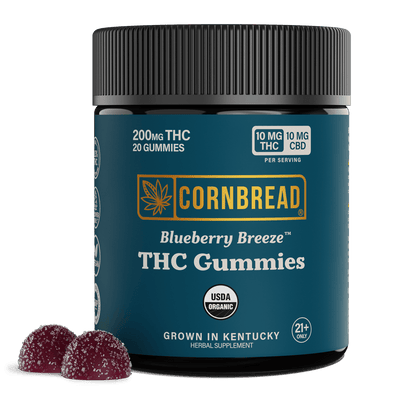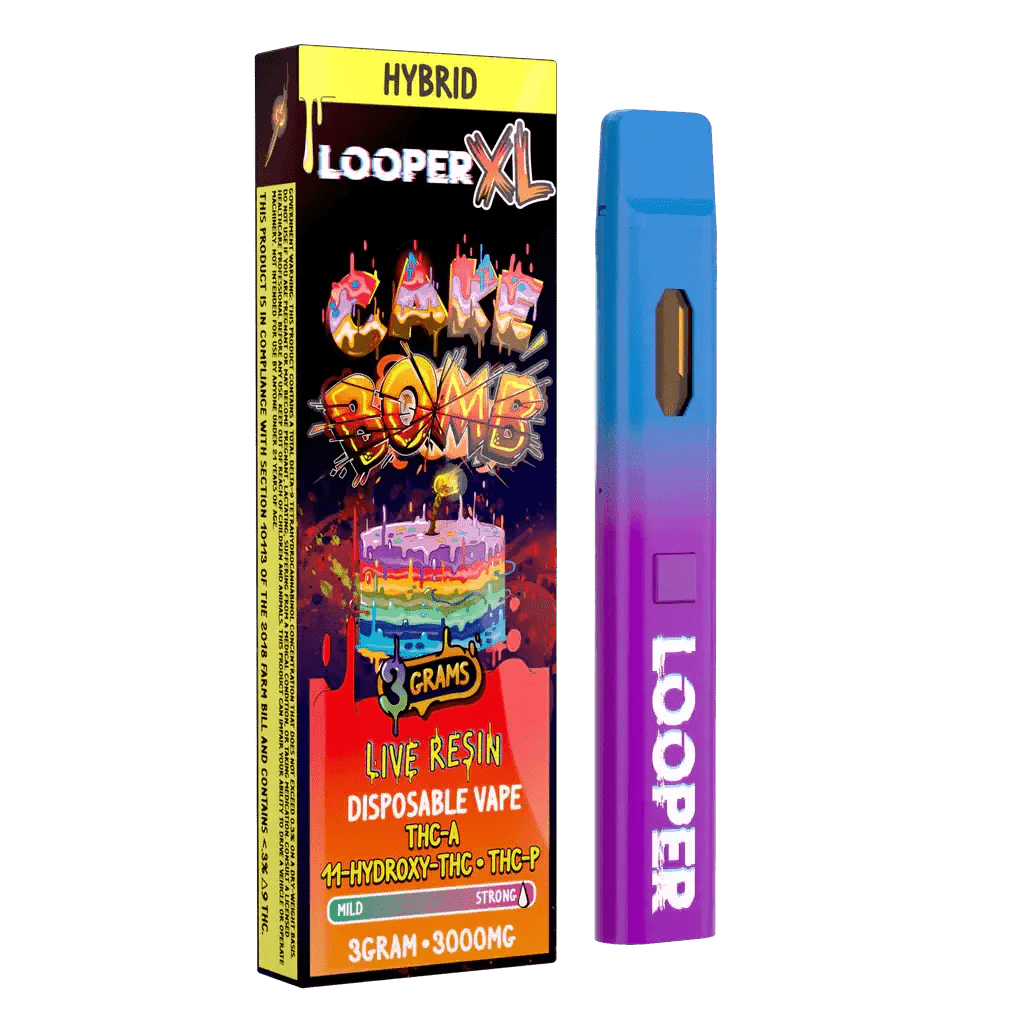















Get a FREE Gummy or Vape
Sign up to get a FREE welcome vape or gummy on your first order when you buy 4 or more products.


If you have been researching alternatives to traditional smoking, chances are you have come across the term dry herb vaporizer. While these devices have become increasingly popular in recent years, many first-time users still wonder how they actually work and whether they are worth considering.
One of the biggest misconceptions is that all vaporizers are the same. In reality, a device designed for dried herbs works very differently from one made for oils or concentrates. Spending time understanding the basics before buying a device can save both money and frustration later on.
This guide explains how dry herb vaporizing works, what makes it different from smoking, and a few practical lessons that experienced users often wish they had known from the beginning.
What Is Dry Herb Vaporizing?
Simply put, dry herb vaporizing involves heating dried botanical material until it releases vapour rather than burning it. The temperature is carefully controlled so the herbs do not reach the point of combustion.
That difference changes the overall experience. Instead of inhaling smoke produced by burning plant material, users inhale vapour created through gentle heating. Many people also notice that the natural flavour of the herbs is easier to appreciate because it is not masked by combustion.
A herbal vaporizer is built specifically for loose, dried herbs. It is not intended for e-liquids unless the manufacturer clearly states otherwise.
How Does a Dry Herb Vaporizer Work?
Although different brands use different technology, the basic process remains the same.
After grinding the herbs, they are placed inside a heating chamber. Once the selected temperature is reached, the device gradually heats the material until vapour forms. Drawing through the mouthpiece pulls that vapour from the chamber.
Some vaporizers heat the herbs through direct contact with a hot surface, while others circulate heated air around the material. Premium devices may combine both methods to improve consistency.
If you are comparing different models, reliable information is just as valuable as product specifications. Resources such as The Herbal Vaporizer Store can help you understand the differences between various dry herb vaporizers before making a purchase.
How Is It Different from Smoking?
The most obvious distinction is combustion.
Smoking burns herbs at very high temperatures, producing smoke, ash and combustion by-products. A dry herb vaporizer, on the other hand, heats the material below the point where it catches fire.
That difference often changes the flavour, aroma and overall feel of each session. Many experienced users also appreciate having precise temperature control, allowing them to adjust the experience according to personal preference.
It is important, however, not to assume that vaporizing guarantees any specific medical or health benefit. Responsible information should always separate user experience from scientific evidence.
For users comparing different portable models, the Xmax V4 pro Vape is one option worth considering, particularly for those looking for adjustable temperature control and a convenient dry herb vaping experience.
Practical Tips for First-Time Users
Many beginners make the mistake of turning the temperature to the highest setting immediately. In practice, starting lower usually provides a smoother introduction and allows you to experience more of the herb's natural flavour before experimenting with higher temperatures.
Preparation also matters. A medium grind generally creates better airflow than large chunks or an extremely fine powder. Likewise, avoid packing the chamber too tightly, as restricted airflow can reduce vapour production.
Perhaps the simplest piece of advice is to be patient. Unlike smoking, learning how your device performs at different temperatures takes a little experimentation.
Looking After Your Device
Good maintenance is often overlooked, yet it plays a major role in performance.
After each session, empty the chamber while it is cool enough to handle. Brushing away leftover material regularly prevents build-up, and cleaning the mouthpiece helps maintain airflow and flavour.
Most manufacturers also recommend giving the chamber a more thorough clean from time to time using approved cleaning methods. Keeping the device clean not only improves consistency but can also extend its working life.
Frequently Asked Questions:
Can any dried herb be used?
Only use botanical material recommended by the manufacturer for your specific herbal vaporizer.
Does a dry herb vaporizer create smoke?
When used correctly, it produces vapour rather than smoke because the herbs are heated without combustion.
Is it legal to own a herbal vaporizer?
Laws differ depending on where you live. Always check and follow the regulations that apply in your country or region.
Conclusion
Choosing a dry herb vaporizer is easier when you understand how the technology works rather than focusing only on features or price. Taking time to learn about temperature control, proper preparation and regular cleaning can make a noticeable difference to your overall experience. Whether you are completely new to vaporizing herbs or comparing your first device, informed decisions and responsible use will always provide the best starting point.